Table of Contents
Depth treatment is a healing method based upon the job of Swiss psychoanalyst Carl G. Jung. Deepness treatment is founded on the idea that the majority of psychological wellness problems are triggered by unconscious inspirations which exposing and checking out these motivations is the vital to recovery. Although there are several techniques that fall under the umbrella of depth treatment, one unifying objective of therapists that concentrate on depth therapy is to incorporate the unconscious mind with the conscious.
Psychology is constructed around the research study of the human mind, which lots of prominent psycho therapists have believed to be affected by the unconscious. Depth psychology is a branch of psychology that looks into the unconscious elements of the human psyche to understand the underlying inspirations and emotions that drive behavior. The subconscious mind is a vital part of depth psychology.
Deepness psychologists often see the human mind as both mindful and subconscious, and psychoanalysis is commonly their main psychotherapeutic strategy. There is a belief that revealing subconscious forces can be inherently healing.
Why the Body Plays a Role in EMDR therapy

The collective subconscious, according to Jung's depth mental perspective, aids discuss our personality towards myth-making and fantasizing. Underlying this combination is the idea that the human mind is partly conscious and partially unconscious, saving experiences and concerns that may have been quelched, along with collective and archetypal forces.
Your therapist can offer support as you make modifications in just how you respond and can assist you with considerably challenging circumstances. Deepness pyschotherapy is appropriate to participants that wish to address ingrained psychological and psychological obstacles, as well as trauma. There may be habits that you continue to duplicate also though they are harming to you.
Minimizing Chronic Trauma Symptoms

You might need to be encouraged and individual throughout the procedure, yet it may help you find extra concerning on your own with an exploration of your subconscious ideas. This procedure might help with any type of life challenges you are encountering and assist you relocate onward with higher understanding.
Bleuler was the director of the Burghlzli Asylum in Zrich, where Carl Jung began his job. Experts like Sigmund Freud, Alfred Adler, and Otto Ranking added to the advancement of this area. This area is most closely connected with Jung's work. The approaches of this first wave of psychology look for to surpass behavior and cognitive procedures to the subconscious motivating factors underneath them (thus the term "depth").
By bringing the subconscious material of the individual to consciousnessboth personal and collectiveone moves from fragmentation and "one-sidedness" towards wholeness. Jung thought that we were all searching for the very same point: the spirit. From his sight (and straight experience), one requires to welcome one's internal worldexploring one's desires and imaginationto ultimately come to a stage of wholeness where one's heart is understood.
Addressing Secondary Trauma
With each other, they stand for opposing forcesyin and yang. Therefore, the specialists of deepness psychology had to establish a brand-new language for researching and analyzing icons and new techniques for communicating through pictures. Harmonizing the opposites can be hard, as it calls for an alchemical procedure that ultimately causes mental combination.
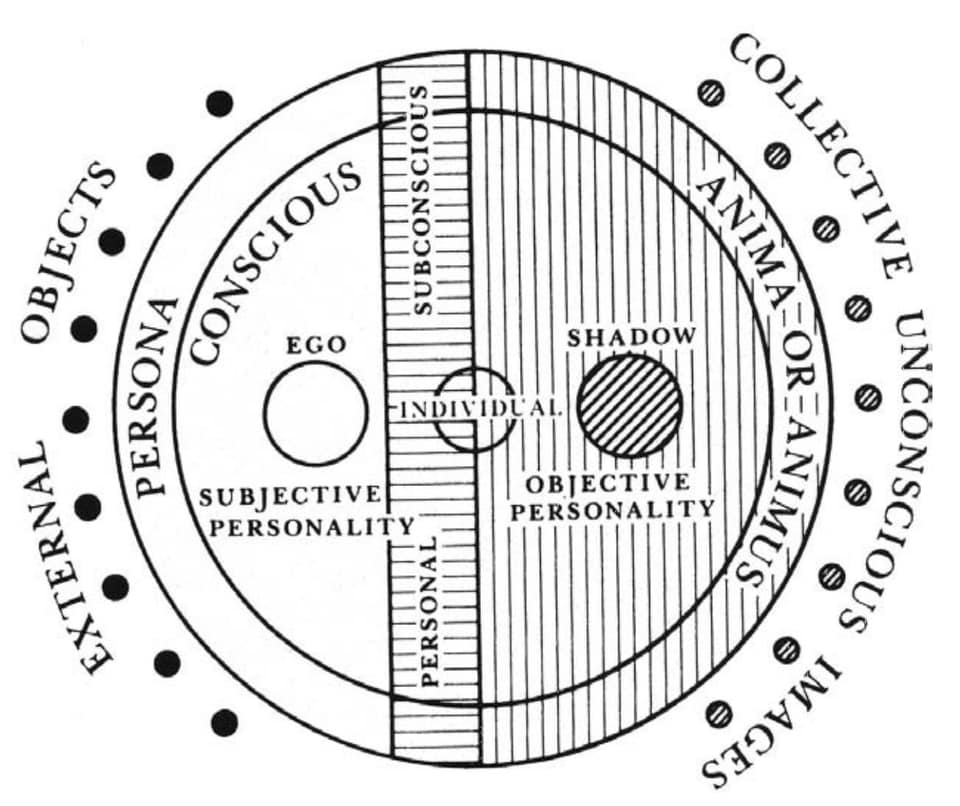
To learn more about one's shadowthe parts of oneself that a person is reduced off and divorced fromrequires consistently confronting the ego's identification. Depending on one's degree of interior resistance and will, this process can be testing for many individuals. Because of this, practitioners like Jung (and scholars like Joseph Campbell) consider it a "brave act" to link the void between the aware and the unconscious.
Freud was brushing the more youthful Jung to be his follower. Jung recommended a different name for their arising area: psyche-analysis.
Jung saw their function as an analysis of the human mind, spirit, and spirit. That is, Jung saw a really various image of the human condition than Freud. Freud perceived his individuals to be ill while he, as an analyst, was not. Psychoanalysis, unfortunately, set the tone for the next century of psychology, which mainly concentrated on mental disorder.
Why Telehealth Depression therapy Works
Jung thought that we are ALL fragmented and divided, and intentionally or not, we're all looking for our hearts. This look for one's soul goes to the facility of depth psychology. Sigmund Freud (facility) and Carl Jung (best) in 1909Credit: Wellcome Library, London. Wellcome Images The understandings originated from analytic concept are, essentially, found outside academic community.
D. in psychology, you aren't likely to interact with Jungian concept other than possibly in a background course (where they educate you that psychoanalysis was the "initial wave"). The academic area of psychology is, as Jung would state, one-sided. It's nearly specifically concentrated on the mindful mind (what he called the thinking feature).
It makes sensemost people run entirely within the aware mind, the world of the vanity. Here, the vanity supervises and tries to control itself and its environment. Depth psychology, on the other hand, needs us to interact with the subconscious domainto enter the usually unclear world of symbols, photos, and sensations.

Navigation
Latest Posts
How Early Trauma Results In Later Disordered Eating
Awareness Exercises for Teen Therapy
Processing Sensitivities and Their Impact on Daily Functioning