The pressure to succeed never quits when you're a high achiever. Health care experts, executives, and enthusiastic people commonly locate themselves fighting with anxiety, anxiety, and burnout while maintaining the look of having everything together. When conventional talk therapy feels inadequate, customized techniques like EMDR treatment and Internal Family members Solution (IFS) components work deal powerful choices for resolving complicated trauma and PTSD that numerous high-performing individuals bring beneath their refined exteriors.
High up-and-comers encounter unique therapeutic difficulties that basic therapy usually misses out on. The perfectionism that drives expert success can mask deep-rooted trauma, anxiousness, and anxiety. Medical care specialists particularly fight with this paradox-- educated to aid others while neglecting their very own psychological health and wellness needs. Specialized specialists who comprehend the high-achiever frame of mind recognize that success and suffering aren't mutually exclusive, and that resolving underlying trauma needs more than surface-level coping methods.
Robyn Sevigny's healing approach exhibits this understanding. Working particularly with medical care professionals and high-performing people, her method acknowledges that achieving profession milestones does not fix childhood injuries, intricate injury, or PTSD symptoms that show up as perfectionism, workaholism, and chronic stress and anxiety. This acknowledgment develops the foundation for efficient trauma-focused therapy that surpasses symptom monitoring.
EMDR Treatment: Re-shaping Trauma Responses in High-Performance Minds
Eye Activity Desensitization and Reprocessing (EMDR) has become one of one of the most efficient evidence-based therapies for PTSD and complex injury. Unlike traditional talk treatment, EMDR works by assisting the brain reprocess traumatic memories with reciprocal excitement-- typically led eye movements, tapping, or acoustic tones. This neurobiological strategy permits people to process traumatic experiences without spending years verbally reworking excruciating events.
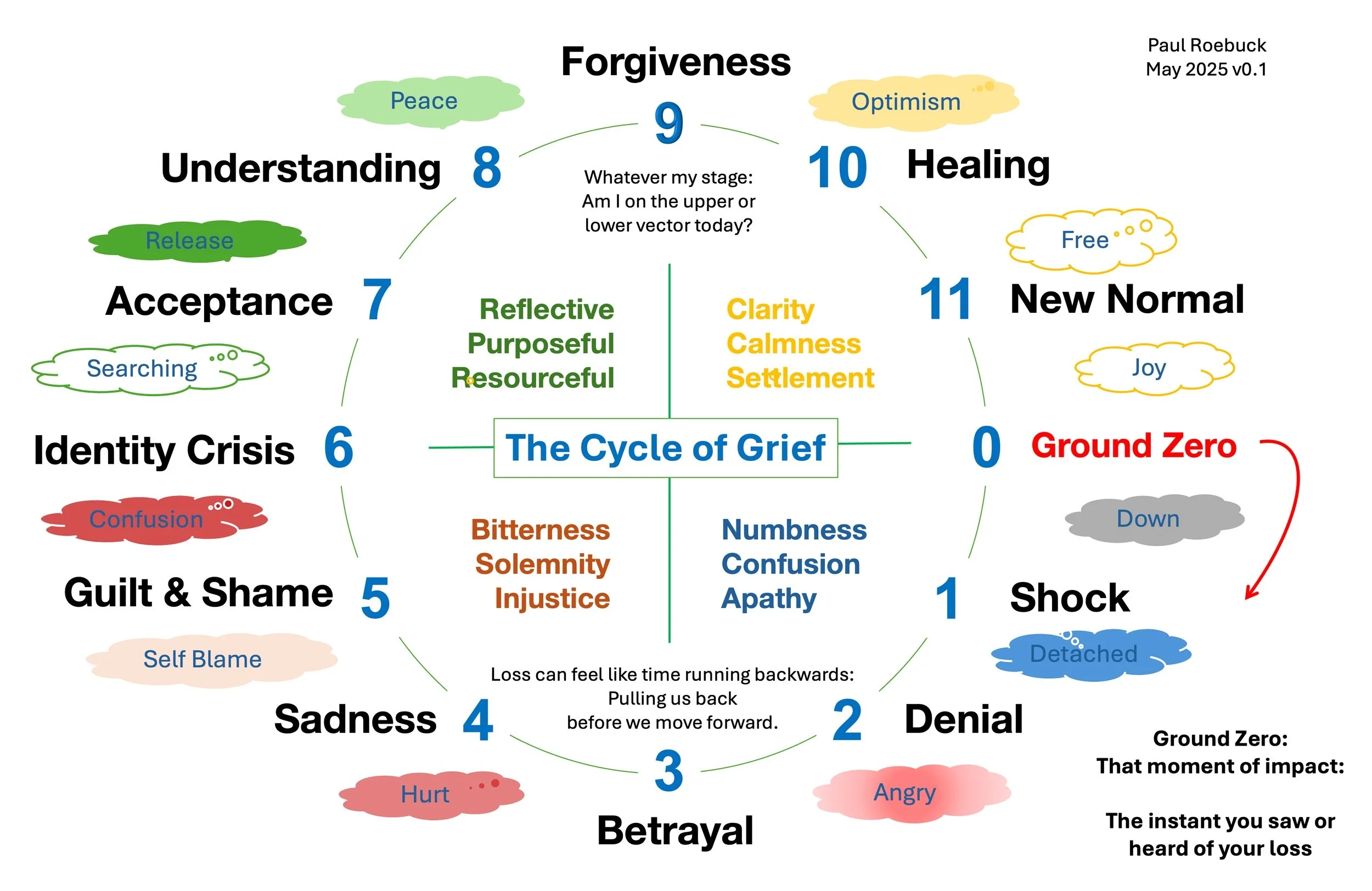
The Cycle of Grief Explained Paul Roebuck
For medical care professionals and high achievers, EMDR uses numerous engaging benefits. Sessions are organized and goal-oriented, appreciating the restricted time numerous experts have for treatment. The technique doesn't require considerable talking concerning injury details, which appeals to people that have actually spent years intellectualizing their troubles without resolution. Research reveals EMDR can produce significant cause less sessions than traditional strategies, making it useful for hectic experts seeking efficient healing.
The process targets particular distressing memories and adverse ideas while enhancing positive cognitions. A physician fighting with clinical institution trauma could overcome memories of embarrassment throughout training while developing genuine self-regard separate from achievement. An exec may reprocess childhood years experiences of emotional neglect that drive compulsive overwork. EMDR permits these experts to maintain their proficiency while launching the trauma-driven habits that sustain exhaustion.
Inner Household Equipments: Recognizing Your Inner High-Achiever Components
Inner Family Members Systems (IFS) treatment provides a structure for understanding the various components of ourselves that emerge in response to life experiences. Instead than viewing the subconscious as a combined whole, IFS identifies we all have numerous parts-- some safety, some wounded, some making every effort. For high up-and-comers, this model reverberates deeply because it explains the inner conflict between the driven part promoting even more achievement and the tired part begging for rest.
IFS determines three types of components: supervisors (that try to regulate our setting to avoid pain), firemens (that react to distress with numbing behaviors), and exiles (wounded parts bring childhood years trauma and embarassment) High-achiever therapy making use of IFS helps customers acknowledge how their nit-picker supervisor parts created to secure vulnerable banished parts from experiencing denial or insufficiency. Recognizing this interior system develops concern for habits formerly considered as character problems.
Healthcare professionals often uncover through IFS work that their caretaker parts-- regularly addressing others' requirements-- created to gain love in childhood. Their workaholic components could be safeguarding against feelings of worthlessness. By accessing and recovering these exiled get rid of the specialist's advice, the severe protective habits naturally soften. The ruthless drive to accomplish transforms right into healthy and balanced ambition without the undertone of embarassment and anxiety.
Facility Injury and PTSD in Health Care Professionals
Medical care workers deal with unique trauma direct exposure that substances any type of pre-existing facility injury from childhood or earlier life experiences. Repeated exposure to individual suffering, medical emergency situations, and systemic medical care failures produces layers of traumatic stress. When incorporated with the perfectionism typical among doctor, this develops an ideal storm for PTSD signs and symptoms consisting of hypervigilance, intrusive thoughts, psychological numbing, and evasion habits.
Complicated trauma varies from single-incident PTSD. It creates through duplicated stressful experiences, often in childhood, developing prevalent effects on self-concept, emotional guideline, and relationship patterns. Lots of high achievers unknowingly lug complicated injury that materializes as impostor disorder, problem approving praise, partnership struggles, and a lack of ability to rest without guilt. Conventional therapy frequently deals with surface area symptoms while the underlying injury style stays intact.
Specialized injury therapy for medical care experts addresses both work trauma and developing injuries. A specialist experienced with medical experts comprehends the society of stoicism, the pressure to appear infallible, and the honest intricacies of dealing with coworkers. This cultural competency makes restorative job a lot more reliable because customers do not need to describe the context of their struggles.
Stress and anxiety and Anxiety: Beyond Surface-Level Symptoms
High up-and-comers frequently present with anxiety and clinical depression that look various from book presentations. Instead of total inability to work, these people preserve high efficiency while experiencing interior suffering. They meet due dates while battling invasive thoughts, lead teams while feeling mentally separated, get awards while believing they're fraudulences. This high-functioning anxiousness and clinical depression requires healing methods that address origin rather than simply teaching coping abilities.
EMDR and IFS therapy stand out at dealing with anxiety and depression rooted in injury. Instead of handling signs and symptoms indefinitely, these techniques intend to fix the underlying terrible product fueling psychological distress. When a person processes memories of childhood objection with EMDR, their anxiety concerning performance frequently naturally decreases. When IFS work helps somebody befriend their nervous parts as opposed to fighting them, the strength of anxiety commonly softens.
Therapists concentrating on high-achiever populaces understand that recommending reflection or work-life equilibrium to someone with complex injury typically fizzles. These people need techniques that address why relaxation feels harmful, why success never ever really feels adequate, and why success hasn't brought the tranquility they anticipated. Trauma-focused treatment offers these responses and paths to authentic healing.
Picking a Specialist That Comprehends Success and Injury
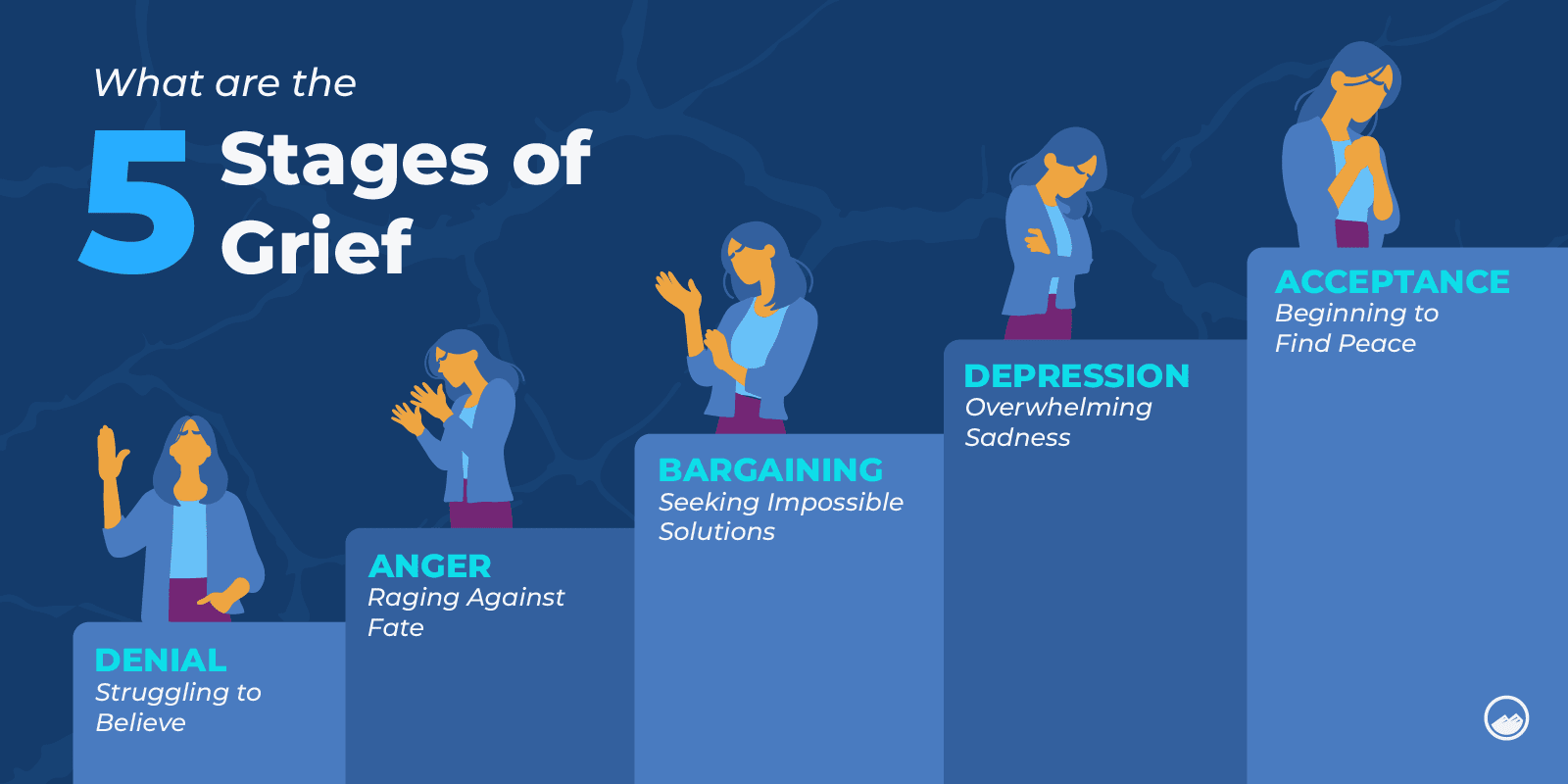
The Stages of Bereavement and How to Work Through Them
Discovering the ideal therapist for high-achiever therapy needs more than qualifications. While EMDR qualification and IFS training issue, similarly vital is the therapist's understanding of high-performance society and trauma's role in driving success. A specialist that works especially with health care specialists and ambitious people brings recognition of the distinct pressures, ethical problems, and identity challenges these populations face.
Chris Morin
5/5
Robyn is an an amazing and compassionate EMDR therapist! If you're struggling with trauma, anxiety or your past experiences holding your back from moving forward with more ease and confidence in your life, I highly recommend that you reach out!
When assessing prospective therapists, consider their method to success and ambition. Do they pathologize accomplishment or understand its complexity? Can they hold area for both your success and your suffering without minimizing either? Do they have experience with complex trauma presentations in high-functioning people? These questions assist recognize specialists that can sustain healing without dismantling the healthy aspects of passion.
Robyn Sevigny's concentrate on health care experts and high achievers, combined with specialized training in EMDR and IFS, stands for the kind of healing match that creates transformative results. Specialists working in this particular niche recognize that healing does not indicate decreasing standards-- it means releasing trauma-driven perfectionism while maintaining real excellence.
Progressing: From High-Achieving to Whole
The journey from high-achieving but experiencing to high-achieving and entire requires specialized healing assistance. EMDR treatment and IFS components work offer paths to resolve PTSD, facility injury, stress and anxiety, and anxiety at their origins as opposed to handling signs indefinitely. For healthcare specialists and other high performers, these modalities regard both the time constraints of requiring professions and the deepness of recovery required to transform lives.
Looking for therapy doesn't suggest something is incorrect with you-- it indicates you prepare to address what's been driving you past healthy restrictions. Whether you're a doctor exhausted by decades of self-sacrifice, an exec acknowledging anxiety's toll, or any kind of high up-and-comer all set to heal complex injury, specialized treatment uses expect real adjustment. The exact same decision that constructed your profession can sustain your recovery trip, particularly with a therapist that recognizes both achievement and trauma recovery.